Audio/video & smart home
Power strip buying and safety
Learn the difference between a basic power strip (UL 1363) and a UL 1449 surge protector, safe 15A wattage limits, and why daisy-chaining causes fires.
Safe, code-aware guidance for homeowners: the right breaker, wire and outlet for the job, and a clear line on where DIY stops and a licensed electrician starts.
Flip a breaker to read its circuit.
Small-appliance branch circuits, 2 minimum (NEC 210.11(C)(1))
Counter receptacles need GFCI (NEC 210.8). Kitchen circuits also need AFCI (210.12).
Dual-function GFCI/AFCI breaker or GFCI outlet plus AFCI breaker.
Verify before you buy or cut. Typical values only. Your jurisdiction's adopted NEC edition, local amendments, wire length and conditions can change them. Panel work and 240 V circuits need a permit and a licensed electrician.
Six topics cover every guide on the site, from the service panel out to the network closet.
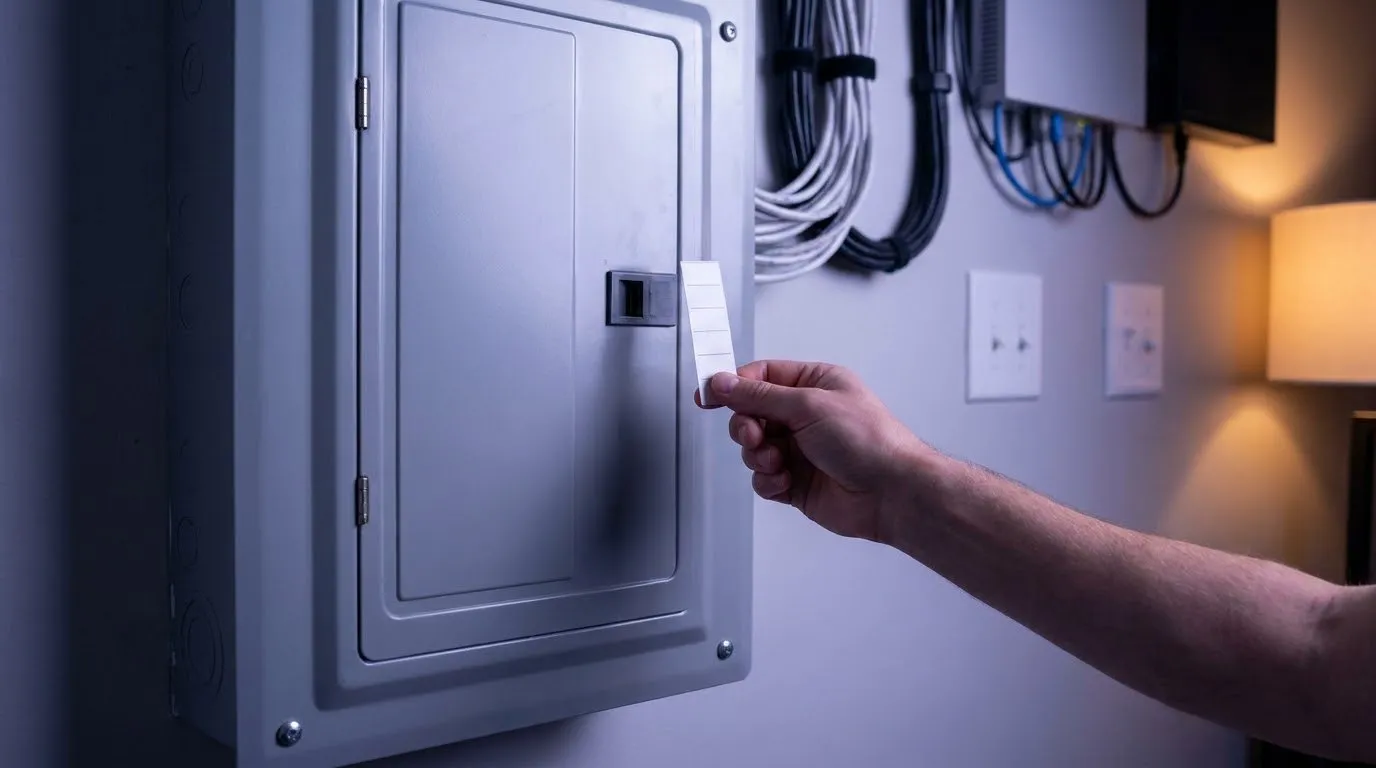 Wiring & panelReading your existing wiring and knowing when it is past its limit.4
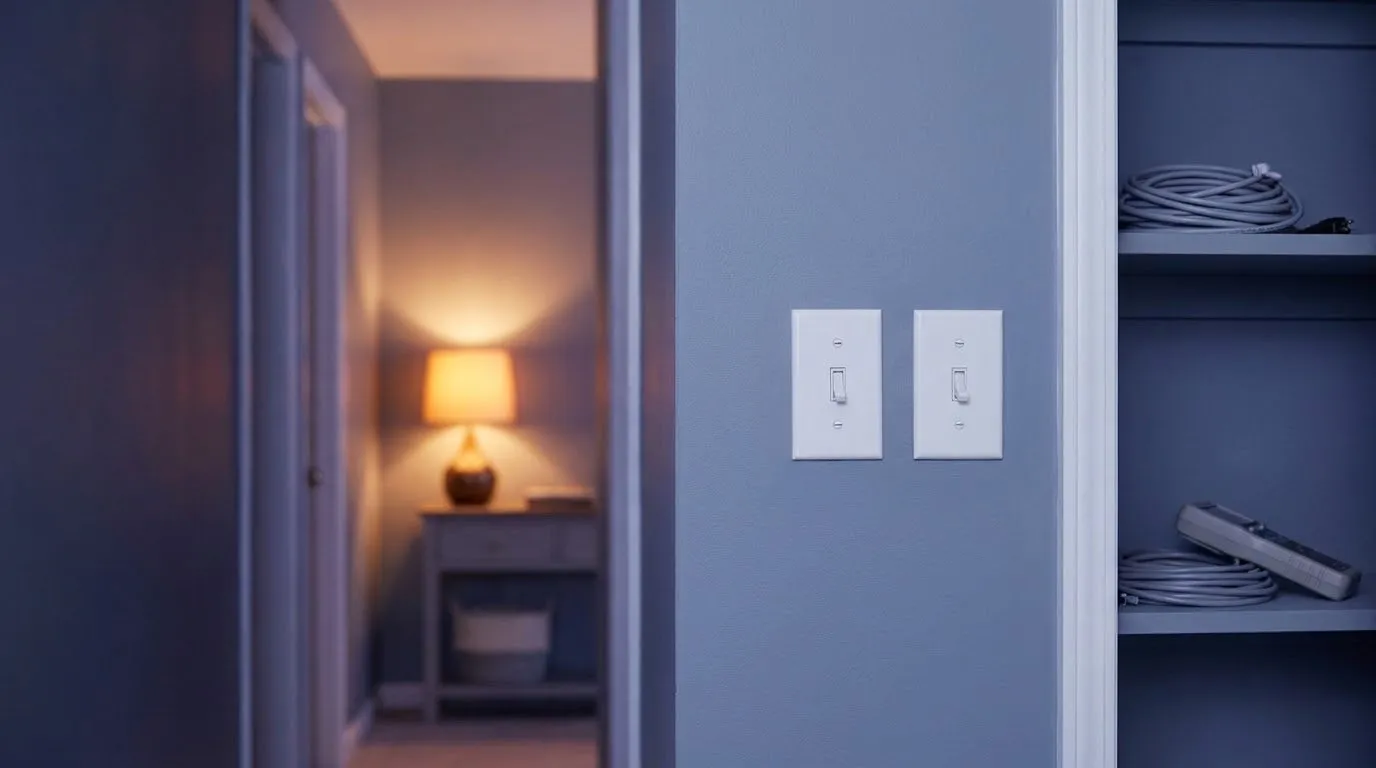 Switches & lightingBreaker off and tested dead before any switch comes out of the box.10
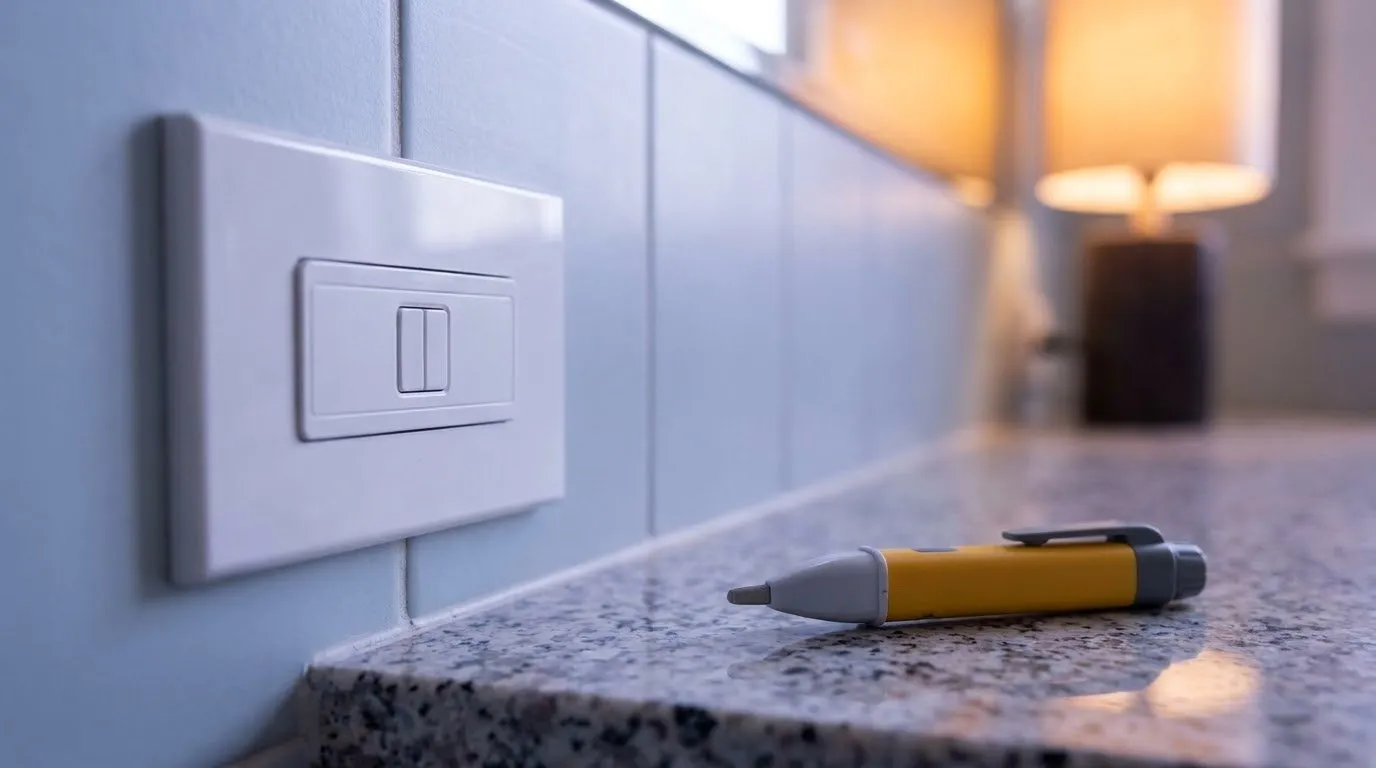 Outlets & GFCIMatch the receptacle to the circuit rating, not the other way around.5
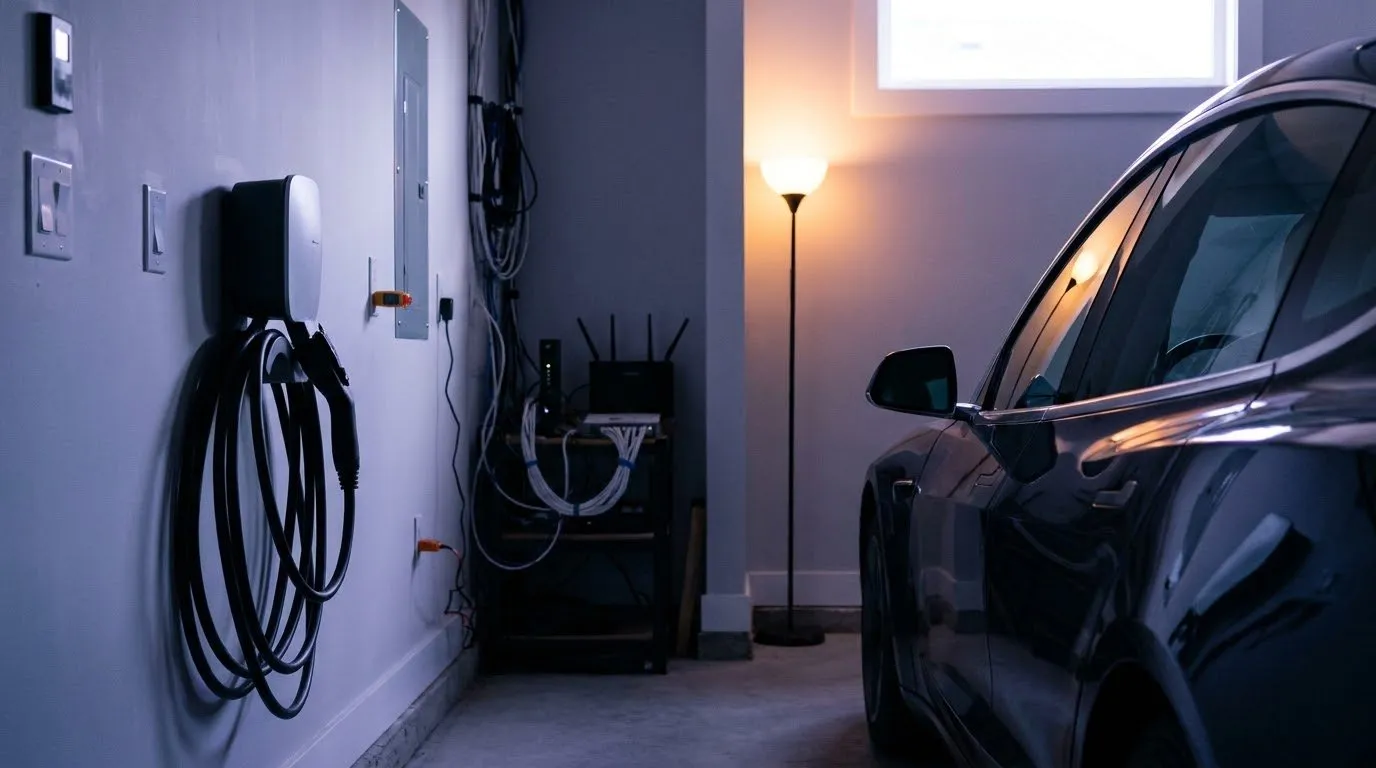 EV chargingA continuous load: sized, protected and permitted accordingly.4
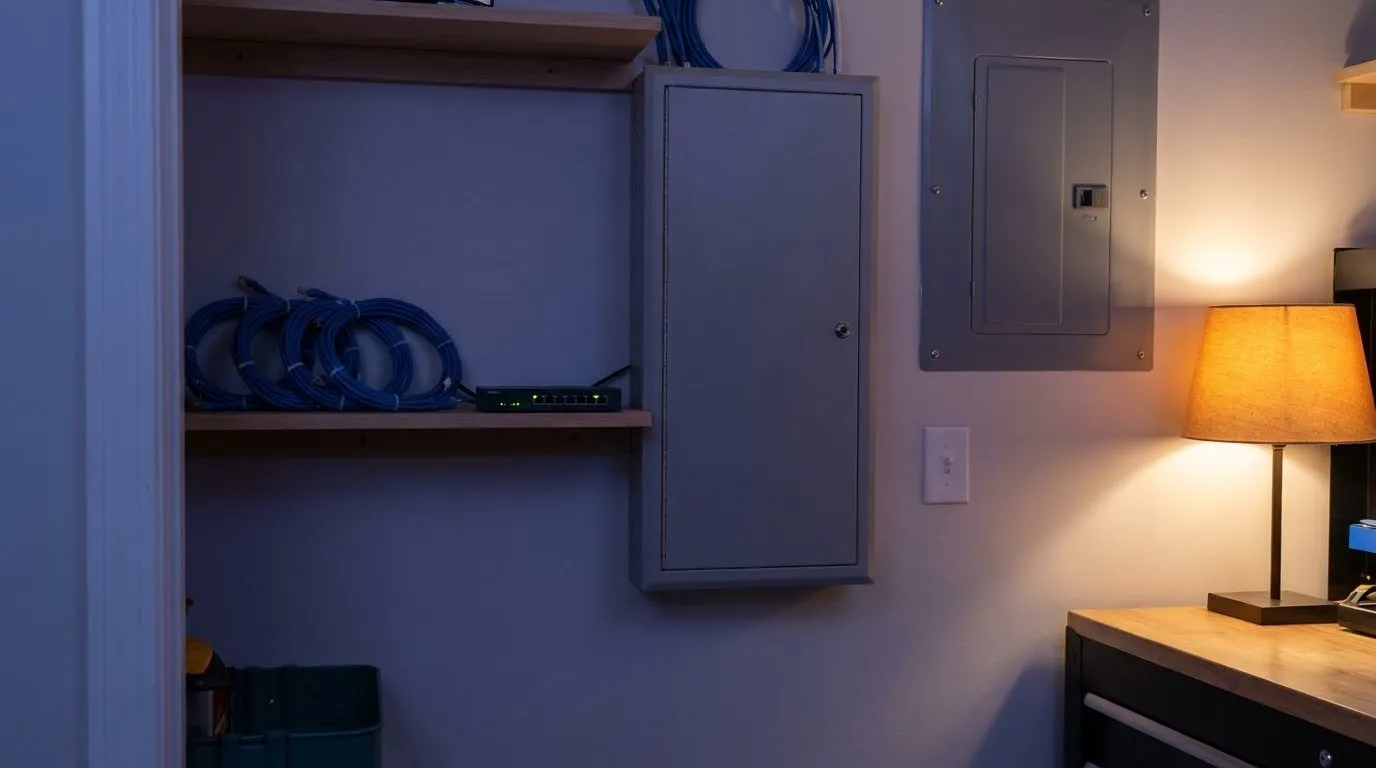 Home networkingLow-voltage runs stay separated from line voltage.6
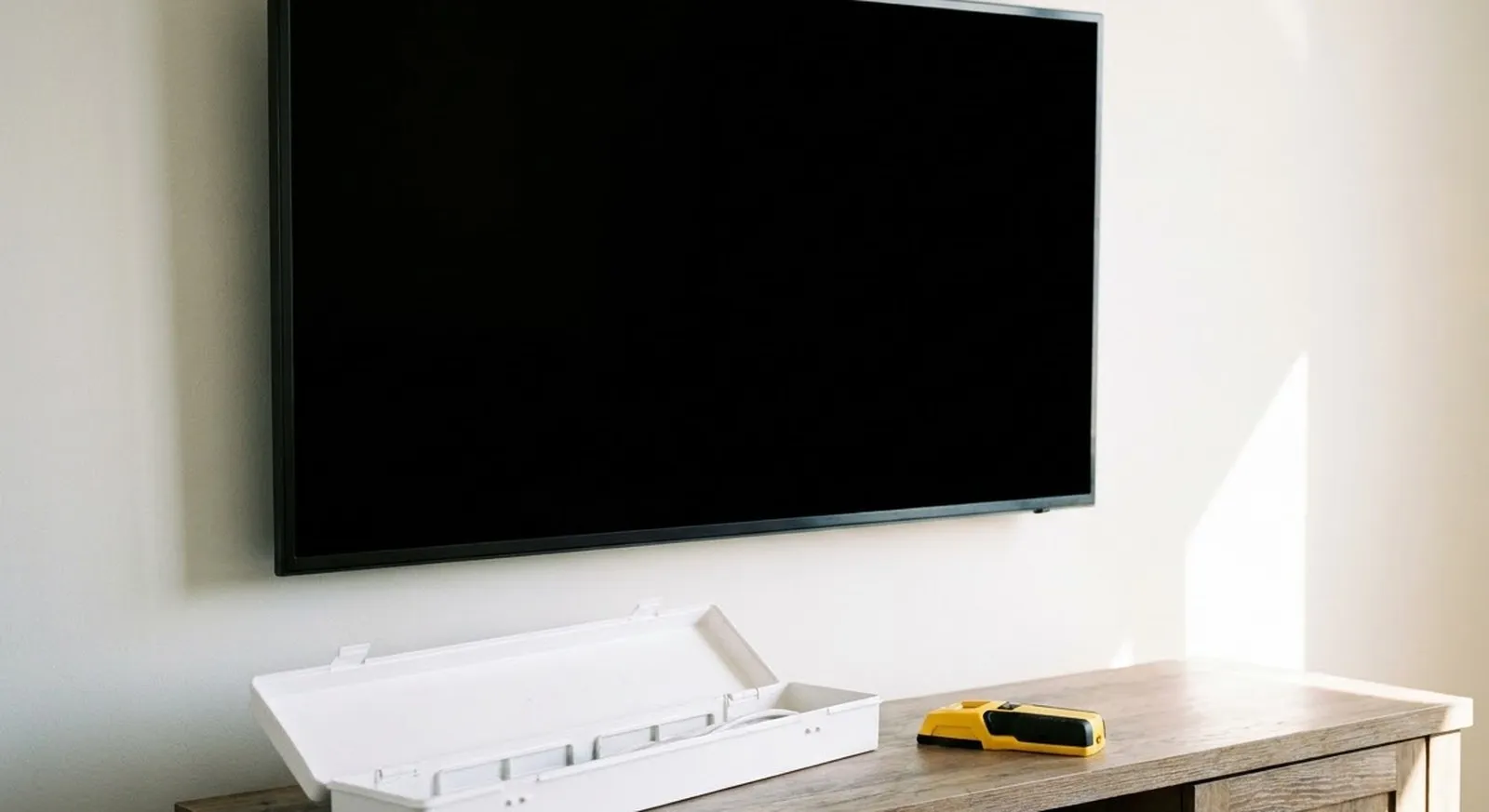 Audio/video & smart homeOnly in-wall rated cable goes inside a wall. A power cord never does.6
References readers open most: plug-in gear, switch wiring, the network closet and the 240 V EV outlet.
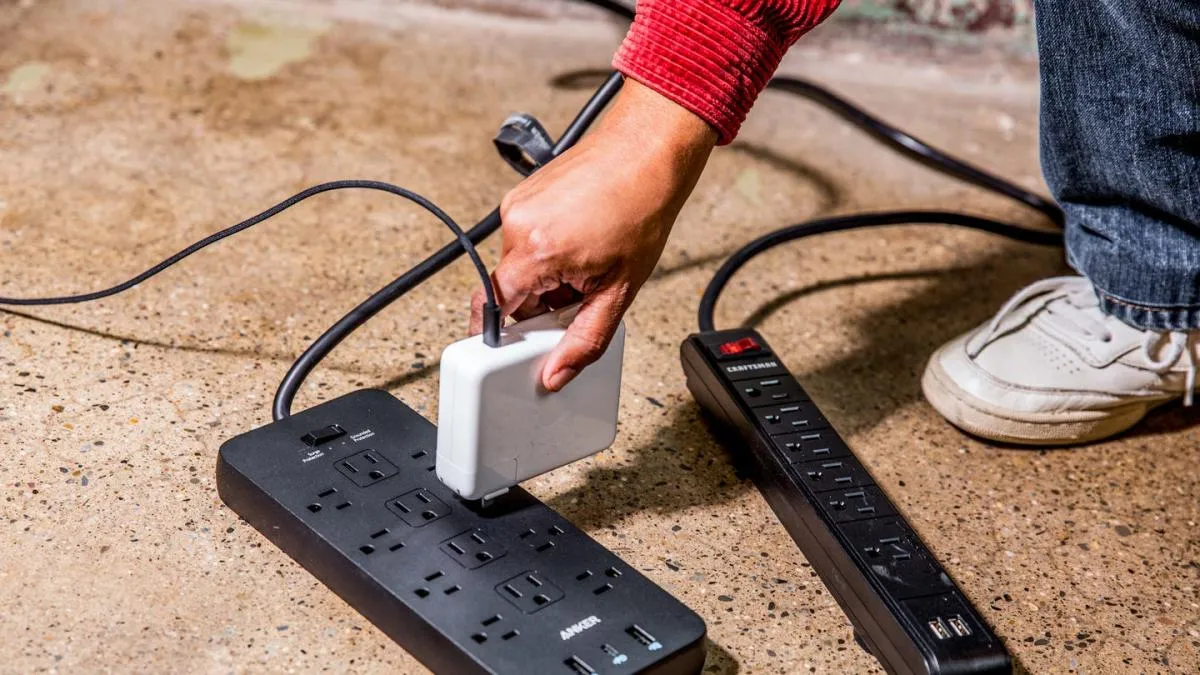
Learn the difference between a basic power strip (UL 1363) and a UL 1449 surge protector, safe 15A wattage limits, and why daisy-chaining causes fires.
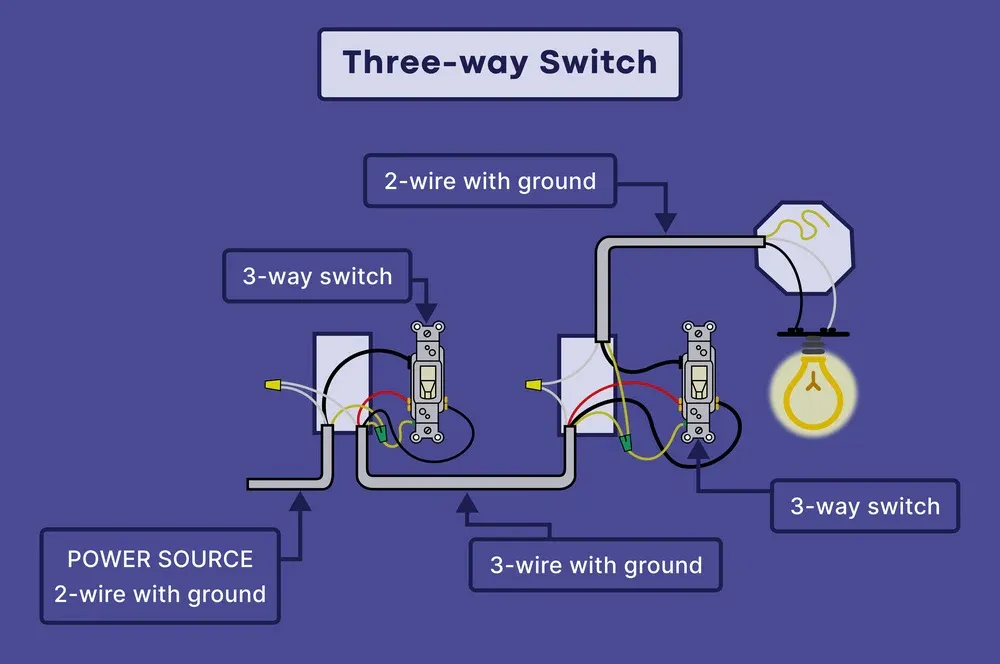
Avoid common 3-way switch wiring mistakes—like swapping Common and travelers or…
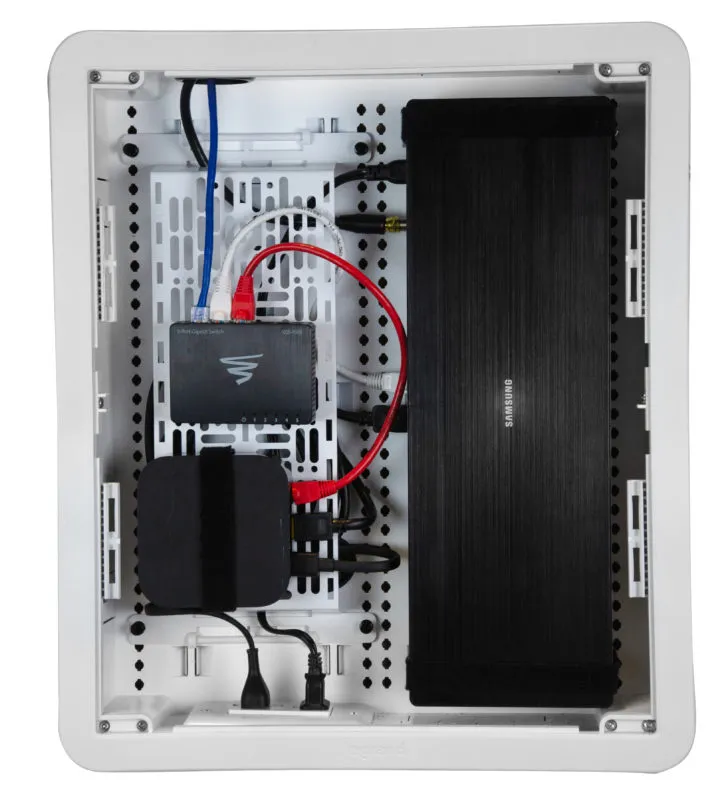
Compare five in-wall media enclosures by stud-bay fit, RF transparency, power knockouts…
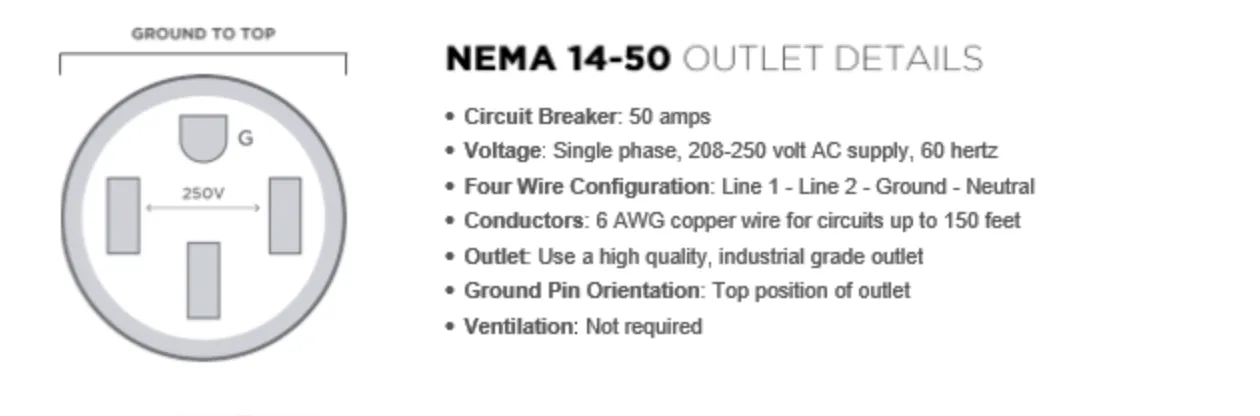
Understand NEMA 14-50 outlet specs, 40A continuous EV charging limits, heavy-duty EV receptacles, GFCI rules, and why a licensed electrician is required.
Each cluster starts with the safety rule, then the how-to. Where a job needs a permit or a licensed electrician, the guide says so up front.
Panel covers stay on. Mapping circuits never needs the panel open.
Breaker off, tested dead, then touch the switch.
Start with the switches & lighting guideThe circuit rating sets the receptacle, never the reverse.
Charging is a continuous load. A permit and an electrician do the circuit.
Low-voltage cable and line-voltage wiring stay separated.
Start with the home networking guideOnly in-wall rated cable goes inside a wall.
35 guides in all: the sitemap at the foot of this sheet links each topic and its archive. The 4 free tools work out wire size and voltage drop.
The panel, the service conductors and any 240 V circuit are work for a licensed electrician, with a permit where your jurisdiction requires one. The steps below apply to ordinary 120 V branch-circuit repairs only.
Stop and call a pro for aluminum branch wiring, scorched or warm outlets, a buzzing panel, a breaker that will not reset, or anything you cannot identify.
The NEC requires GFCI protection in bathrooms, kitchens, garages, outdoors, laundry and other wet or damp areas, and AFCI protection in most living areas. Older homes may lack both. Check your adopted edition.
Guidance is drawn from the National Electrical Code (NFPA 70), the US Consumer Product Safety Commission, the Electrical Safety Foundation International and OSHA, with network cabling per ANSI/TIA-570-D. Always confirm which NEC edition and local amendments your authority having jurisdiction has adopted. This site is educational and does not replace a licensed electrician.
Right now this site does not set tracking cookies. Should optional analytics or marketing tools arrive later, they stay off until you allow them, and your answer is remembered on your device only. Cookie policy